ARIZONA WILDFIRE MITIGATION & DEFENSIBLE SPACE
764 Arizona homeowners, HOAs, and businesses have already protected their properties with Southwest Sawyers — built by a former wildland firefighter who's seen what's at stake. We're on track to protect 1,000 homes in 2026. Your property could be next.
Updated for 2026 — see if your property is next.
WHO WE PROTECT
Wherever your property sits against Arizona's wildland-urban interface, we build a mitigation plan around it.
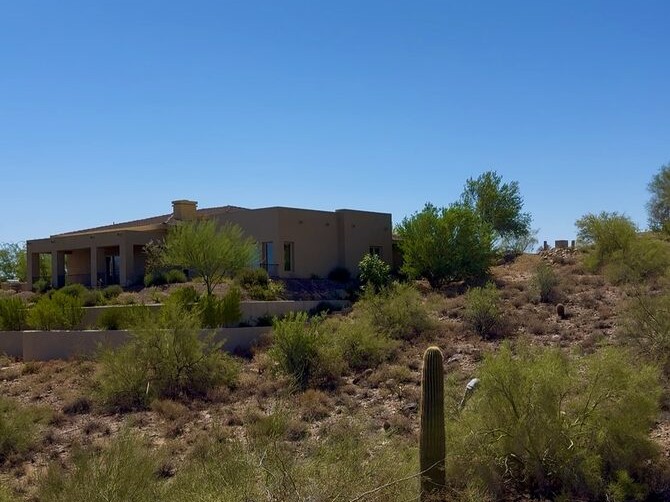
Protecting homes, families, and properties through professional wildfire mitigation, defensible space creation, vegetation management, and full property restoration. We help homeowners reduce fire risk while improving the beauty, safety, and long-term value of their land.
Learn More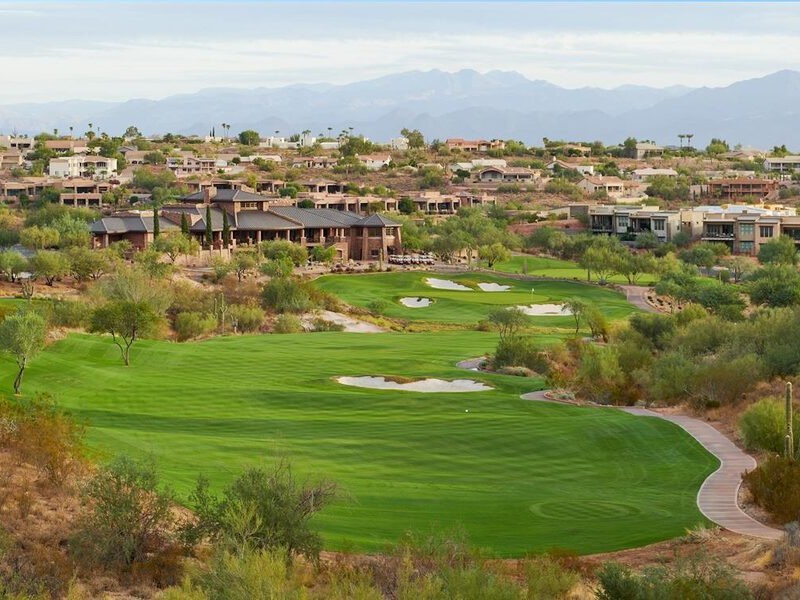
Helping communities stay clean, protected, and fire-ready through large-scale vegetation management, common area maintenance, defensible space planning, and wildfire risk reduction. We work directly with HOAs to create safer, more presentable neighborhoods year-round.
Learn More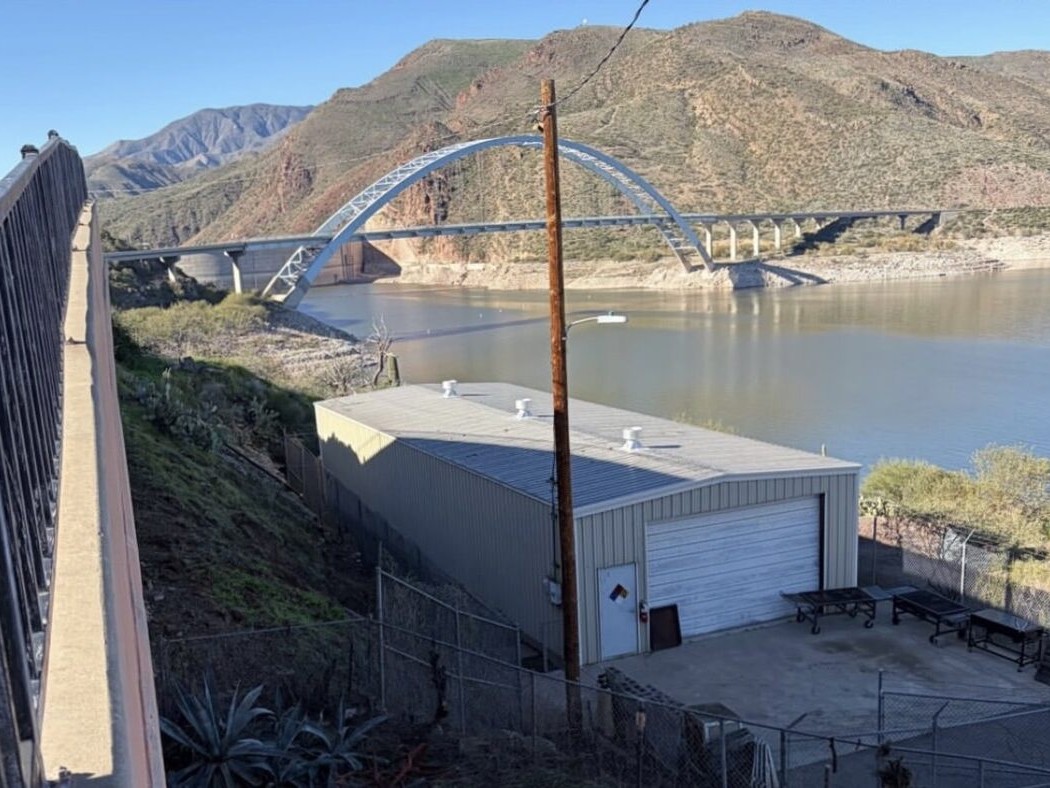
Professional land clearing and vegetation management solutions for commercial properties, utility corridors, infrastructure projects, developers, and large acreage operations. Our team delivers safe, efficient, and scalable results with the equipment and manpower to handle demanding projects.
Learn MoreWHAT WE DO
Our core wildfire protection service — helping Arizona homeowners understand their risk and put a real plan in place before fire threatens their property.
DetailsA professional, on-site evaluation of your property's fire exposure — the starting point for every mitigation plan.
DetailsFull-property fire mitigation across every zone of the lot — the scope of work that qualifies your home for a Wildfire Defense Certificate.
DetailsYear-round protection plans that keep your property's defensible space — and your Wildfire Defense Certificate — in good standing.
DetailsCommunity-wide vegetation management and defensible space planning that keeps entire neighborhoods fire-ready.
DetailsPipeline and utility corridor clearing built for the access, safety, and compliance standards infrastructure projects demand.
DetailsWHY IT MATTERS
Founded by Stratton and Devyn Palmer — a husband-and-wife team, with Stratton bringing firsthand experience as a former wildland firefighter — Southwest Sawyers was built on one mission: help homeowners prepare before the fire comes.

UNDERSTANDING THE RISK
Arizona's wildland-urban interface — the belt where subdivisions, ranches, and resort communities push up against open desert, chaparral, and forest — is one of the fastest-growing fire risk zones in the country. Longer dry seasons, delayed monsoons, and decades of fuel buildup mean that when a fire starts near Scottsdale, Fountain Hills, Cave Creek, Carefree, or the higher country around Globe and Superior, it has more to burn and less moisture to slow it down. Northern Arizona communities like Payson, Prescott, and Flagstaff face the same pressure from a different direction: dense ponderosa pine forest that hasn't seen a natural fire cycle in generations.
This isn't a once-a-decade concern. Every property built against open land carries fuel — dry grass, dead brush, overgrown ornamental landscaping, low tree limbs — that a wildfire can use to reach a structure. The properties that fare best when fire moves through aren't lucky. They're prepared.
"Defensible space" gets used loosely, but it's a specific, measurable standard. It refers to the zones immediately around a structure — typically broken into an ember-resistant zone within the first 5 feet of the home, a lean-and-clean zone out to about 30 feet, and a reduced-fuel zone extending to 100 feet or the property line. Each zone has a different job: the closest zone keeps embers from igniting the structure directly, the middle zone slows a ground fire's approach, and the outer zone strips away the ladder fuels — low branches, brush, and dead vegetation — that let a fire climb from the ground into tree canopy.
Real defensible space work means walking a property zone by zone: removing dead and dry vegetation, thinning dense brush, limbing up trees so fire can't climb them, and correcting the small landscaping choices — mulch pushed against siding, firewood stacked under a deck, overgrown junipers beneath windows — that turn a normal yard into a fuel path. It's detailed, physical work, not a single mow-and-go visit.
Wildfire risk now shapes more than safety. Insurance carriers across Arizona have tightened underwriting in wildfire-prone zip codes, and homes without documented mitigation are increasingly facing non-renewal notices or steep premium increases. A property with a completed mitigation plan and current documentation is in a stronger position with underwriters, and it's also worth more to a future buyer who's doing the same risk math you are. Mitigation isn't just protecting the structure — it's protecting the investment.
Every project starts with a free, on-site wildfire risk assessment — a walk of the full property with a trained crew, documenting fuel loads, structural vulnerabilities, and defensible space gaps zone by zone. From there, we build a mitigation plan scoped to what your property actually needs, not a generic package. Properties that complete our full-property mitigation scope qualify for a Wildfire Defense Certificate, and our ongoing Wildfire Defense Program keeps that certification — and your defensible space — in good standing year-round instead of letting it lapse the following season.
A lot of homeowners in the Phoenix-area foothills assume wildfire risk is a Northern Arizona problem — something for pine forest, not desert. That assumption is wrong, and it's one of the more common gaps we find during an assessment. Desert and high-desert terrain around Scottsdale, Fountain Hills, Carefree, Cave Creek, and Gold Canyon carries its own fuel load: dried native grasses, palo verde and mesquite litter, dead cactus material, and — often the biggest overlooked risk — ornamental landscaping planted decades ago without fire behavior in mind. Oleander hedges, overgrown junipers, and dense non-native shrubs packed against a home's exterior can carry fire directly to siding and eaves just as effectively as pine duff carries it through a forest floor. The fuel type changes from Scottsdale to Flagstaff; the fact that it burns does not.
A one-time clearing is a good start, but Arizona's growing season doesn't stop because the work is done. Brush regrows, grasses cure out dry again by early summer, and a defensible space that was clean in the spring can be compromised again within a year without upkeep. That's the gap our Wildfire Defense Program is built to close — scheduled maintenance visits that keep the zones around a structure in the condition they need to be in when fire season actually arrives, rather than treating mitigation as a one-and-done project. For HOAs managing common areas across dozens or hundreds of lots, and for commercial and utility clients managing long corridors, that same logic applies at scale: consistent maintenance is what keeps a mitigation investment from quietly eroding.
Whether you own a single home in Fountain Hills or manage common areas across an entire HOA, the starting point is the same: know exactly where your property stands today. A wildfire risk assessment costs nothing and takes the guesswork out of what to prioritize first.
SERVICE AREAS
Scottsdale · Fountain Hills · Mesa · Carefree · Cave Creek · Gold Canyon · Apache Junction · Globe · Superior
Call (928) 227-8626 | Email admin@southwestsawyers.net
Expanding next into Northern Arizona — Payson, Prescott, Flagstaff & Show Low.